What Are the Best Chemical Resistant Alloys for Your Needs?
Chemical Resistant Alloys play a crucial role in various industries, from chemical processing to oil and gas. These materials can withstand harsh environments, making them essential for diverse applications. According to Dr. Emily Carter, a leading expert in materials science, "Choosing the right alloy can make all the difference in performance and longevity."
In many cases, industries face challenges when selecting Chemical Resistant Alloys. Each application presents unique conditions that demand specific properties. For example, some environments may require alloys that resist pitting or stress corrosion. The complexity of chemical interactions can lead to unexpected failures if the wrong alloy is used. Therefore, understanding the nuances of these materials is vital.
However, not all Chemical Resistant Alloys are created equal. Factors such as cost, availability, and compatibility with various chemicals can complicate the decision-making process. While there are many options, it is important to analyze specific needs. An informed choice not only enhances safety but also improves overall efficiency in operations.
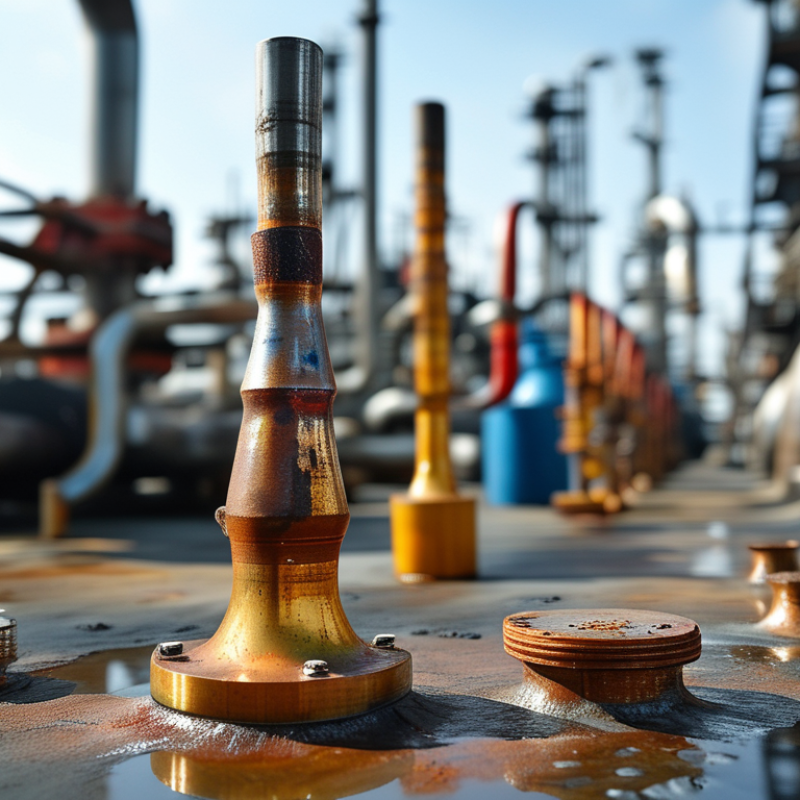
Understanding Chemical Resistance in Alloys
Chemical resistance in alloys is critical for industries dealing with harsh environments. Alloys are often assessed based on their ability to withstand corrosive substances. According to a recent report by the Materials Research Society, nearly 30% of industrial failures are due to corrosion-related damage. Understanding the specific types of chemical resistance required can significantly impact material selection.
Stainless steels are a popular choice due to their chromium content. Alloys like 316L exhibit impressive resistance to chlorides. They are ideal for marine environments where exposure to saltwater is common. However, they may still be vulnerable to pitting in certain conditions. In contrast, nickel-based alloys such as Inconel offer superior resistance to high-temperature oxidation and corrosion, especially in acidic settings. The right alloy can be a game-changer, yet selecting one requires careful analysis of environmental factors.
It's important to note that even the most resistant alloys can fail under specific circumstances. A study by the Electrochemical Society highlights that fatigue and stress can precipitate unexpected failures. Engineers must regularly evaluate the operational environment to ensure adequate material performance. Continuous testing and monitoring of alloy conditions are essential for maintaining efficacy and safety. The goal is to enhance reliability while recognizing that no material is perfect.
Key Properties of Chemical Resistant Alloys
Chemical resistant alloys are essential in industries that deal with corrosive environments. These materials often include nickel-based superalloys, stainless steels, and special copper alloys. Their ability to resist oxidation and degradation makes them ideal for harsh conditions. Key properties influencing their effectiveness include corrosion resistance, temperature endurance, and mechanical strength.
When selecting an alloy, consider the specific chemicals involved in your process. For example, certain alloys perform better in acidic environments, while others excel in alkaline solutions. Understanding the nature of the substances you work with is crucial.
Tips: Always test the chosen alloy in controlled conditions before large-scale application. This can prevent unexpected failures. Additionally, regularly inspect your equipment for signs of wear to ensure long-term reliability. Misjudgments can lead to costly downtime, so taking the time to evaluate your options is essential. Remember, not all alloys are universally effective; each application may require a tailored solution.
Chemical Resistance of Various Alloys
Popular Types of Chemical Resistant Alloys
When selecting chemical resistant alloys, it's important to consider the specific environment. Several alloys stand out due to their durability and resistance to corrosion. Stainless steel is a common choice. It offers good resistance in a range of chemicals and high temperatures. However, its effectiveness can diminish in chlorinated environments.
Another notable option is Inconel, known for its resistance to oxidation and high-temperature strength. This alloy performs well in acidic and alkaline solutions. However, it's often more expensive, which can affect budget considerations.
Titanium and its alloys are also excellent for harsh chemical environments. They are lightweight and have remarkable resistance to a wide variety of chemicals. Yet, their machining can be challenging. These factors need careful evaluation as you weigh the benefits against potential drawbacks. Choosing the right alloy ultimately depends on your specific needs and the nature of the chemicals involved.
Selecting the Right Alloy for Specific Chemicals
Selecting the right alloy for specific chemicals is crucial in many industries. Different chemicals have unique properties that can react with various materials, causing corrosion or deterioration. Understanding these reactions is fundamental for ensuring safety and efficiency.
For example, stainless steels often handle a wide range of environments. However, they may not always suffice. For acidic environments, duplex stainless steels or nickel-based alloys show greater resistance. According to industry reports, nickel alloys resist sulfuric acid better than many stainless steels. This finding emphasizes the need to match the alloy with chemical exposure.
In some cases, even high-performance alloys may not hold up. For aggressive chemicals, specialized coatings can also provide additional protection. However, coatings have limitations and must be monitored regularly. Ultimately, understanding the specific chemical characteristics and application conditions will lead to the best material choice.
What Are the Best Chemical Resistant Alloys for Your Needs? - Selecting the Right Alloy for Specific Chemicals
| Alloy Name | Chemical Resistance | Temperature Range (°C) | Applications |
| 316 Stainless Steel | Excellent resistance to acids and chlorides | -196 to 870 | Food processing, pharmaceuticals |
| Hastelloy C-276 | Outstanding resistance to both acidic and basic solutions | -40 to 1000 | Chemical processing, pollution control |
| Monel 400 | Resistant to seawater and reducing acids | -40 to 480 | Marine applications, oil & gas |
| Titanium Grade 2 | Highly corrosion resistant to most chemicals | -250 to 400 | Aerospace, medical devices |
| Inconel 625 | Excellent resistance to a variety of corrosive environments | -238 to 980 | Aerospace, nuclear reactors |
Applications and Industries Utilizing Chemical Resistant Alloys
Chemical resistant alloys are essential across various applications and industries. These materials excel in harsh environments, especially where exposure to corrosive substances is a concern. Chemical processing facilities rely on these alloys for piping systems and storage tanks. The durability of these materials prevents leaks and maintains safety.
In the pharmaceutical industry, chemical resistant alloys ensure the integrity of production equipment. They withstand aggressive cleaning agents and maintain sterile conditions. Additionally, oil and gas sectors depend on these materials for their exploration and extraction processes. Equipment must endure extreme temperatures and reactive chemicals.
Choosing the right alloy requires understanding specific applications and exposure types. Not all alloys can handle every chemical. Some might corrode faster than expected. Over time, users may notice unexpected wear. Regular assessment is vital to maintain operational integrity. The decision-making process can be complex and may require expert guidance.
.svg)


.svg)

.svg)


 052925 - AI Translation 101 (1).png)


.svg)

.svg)


.jpg)