Best Translation Software for Documents in 2026 What to Choose?
In an increasingly globalized world, the demand for effective translation software for documents rises. Businesses, students, and professionals rely on these tools for clear communication. Choosing the right software can be challenging amid numerous options.
In 2026, the market offers advanced translation software for documents that promises accuracy and speed. Users may feel overwhelmed by choices. Some tools excel in specific languages, while others offer diverse capabilities. It's important to recognize the unique needs of each user. For example, a technical manual requires precise terminology, while a casual email may prioritize fluency.
Users must evaluate features like user-friendliness, integration, and real-time collaboration. Insights from user reviews often reveal common issues. Some software may fail to understand context, leading to awkward translations. This raises questions about reliability. Users should approach recommendations with caution, balancing between popularity and personal requirements. Each choice reflects a trade-off. Addressing these factors can guide individuals toward a suitable solution in their translation endeavors.

Overview of Translation Software Trends in 2026
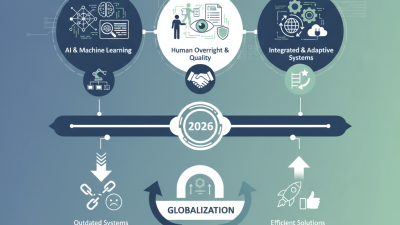
In 2026, translation software is evolving rapidly. The focus is no longer solely on text translation. Voice and video translations are gaining importance. This shift reflects the growing demand for real-time communication in global business. Users expect accuracy and context awareness in translations, not just literal words.
Another trend is the integration of artificial intelligence. AI-driven software can learn from user interactions, resulting in more personalized translations. However, relying solely on AI poses risks. It may overlook cultural nuances or context. Users need to remain vigilant and double-check critical translations.
Security and privacy are also major concerns. As more documents are shared online, the risk of data breaches increases. Users should choose software with robust security measures. Furthermore, many tools may lack transparency in data handling. It's essential to evaluate the reliability of translation software carefully. Users must strike a balance between convenience and security.
Key Features to Look for in Document Translation Software
When choosing document translation software, consider several key features. Accuracy is paramount. A high-quality translation should convey the original text’s meaning
without distorting context. Even minor errors can significantly affect the document's purpose. Look for software that uses
advanced algorithms or neural networks. This can enhance the quality of translations.
User-friendly interfaces are also essential. Complex software can lead to frustration and errors.
Look for options that allow easy navigation and quick access to features. Real-time collaboration tools can facilitate teamwork.
This is particularly useful when multiple users need to review translations. Localization features are valuable too.
They ensure that the translations are culturally relevant and appropriate.
Additionally, consider security features. Sensitive content must remain confidential.
Software with strong encryption can provide peace of mind.
It’s worth reflecting on how well the software integrates with existing tools. Poor integration can hinder workflow efficiency.
Evaluate reviews and user feedback to identify potential gaps in performance.
This helps ensure that the chosen software meets your specific needs effectively.
Top Five Translation Software Options for Document Use
When considering translation software for documents in 2026, it's essential to focus on key features. Many options are available, but the best ones enhance accuracy and usability. Here are five commendable tools for document translation.
One option prioritizes user-friendly interfaces. Users find it easy to upload files. This facilitates quick translations, saving time. Another choice shines in handling complex formatting. It can retain layout and design while translating content.
Tips: Always review translations for accuracy. Software can misinterpret context. Double-check important documents, especially legal or medical ones.
Consider software that integrates AI. These tools learn from previous translations, improving over time. Users appreciate the adaptive learning as it leads to more precise outcomes. Remember, no tool is perfect. Inconsistencies may arise, so remain critical.
Ultimately, the best translation software for documents combines speed and reliability. Evaluate features carefully, and choose what meets your needs. Test multiple tools to see which fits your workflow.
Comparative Analysis of Pricing and Subscription Models
In the ever-evolving landscape of translation software, pricing and subscription models play a crucial role. Many recent reports indicate a growing trend towards subscription-based services, capturing approximately 70% of market share in 2026. This shift reflects user preference for flexibility and access to the latest updates without hefty one-time fees. The average monthly subscription now ranges from $10 to $30, with premium features often hidden behind higher tiers.
Companies are analyzing what works best. For instance, a unique feature might justify a steeper cost. However, some users find themselves locked into services that don’t meet their needs. They may pay for features they rarely use. Understanding exact requirements before committing can save money and frustration.
Tip: Always evaluate the free trial options. Testing software before subscribing helps identify the right fit. Some platforms provide limited-time access, allowing users to explore functionalities without cost.
Another consideration is support. Many startups offer low prices but lack robust customer service. A more established solution may come with higher fees, but dedicated support can be invaluable. Hidden costs, like fees for additional users or documents, can quickly escalate. Always read the fine print before making a decision.
User Reviews and Expert Recommendations for 2026 Translation Tools
When selecting translation software for documents in 2026, user reviews play a crucial role. Many users highlight usability as a key factor. Effortless navigation and intuitive interfaces enhance the experience. Advanced features matter, but simplicity often wins. Some users express frustration with software that complicates basic tasks. Clear feedback is vital to improving these tools.
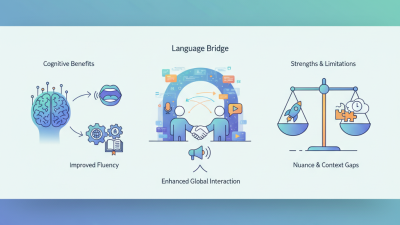
Expert recommendations also shed light on effective translation tools. Many professionals emphasize the importance of context in translations. Software that relies on artificial intelligence can sometimes misinterpret nuances. This is a notable area for improvement. Users often report that machine translations lack human-like understanding, which can lead to inaccuracies.
Lastly, it’s important to pay attention to customer support. Some users have shared stories of delayed responses from software companies. Good support builds trust in any tool. As technology evolves, so do preferences for language translation. User experiences guide future developments. Finding the right balance between technology and human oversight remains a challenge for the industry.
.svg)


.svg)

.svg)


 052925 - AI Translation 101 (1).png)


.svg)

.svg)


.jpg)