What is Cat Tools in Translation and How Do They Work?
In the world of translation, CAT tools play a crucial role. These tools enhance the translation process, making it more efficient. CAT stands for Computer-Assisted Translation, which helps translators work faster and more accurately.
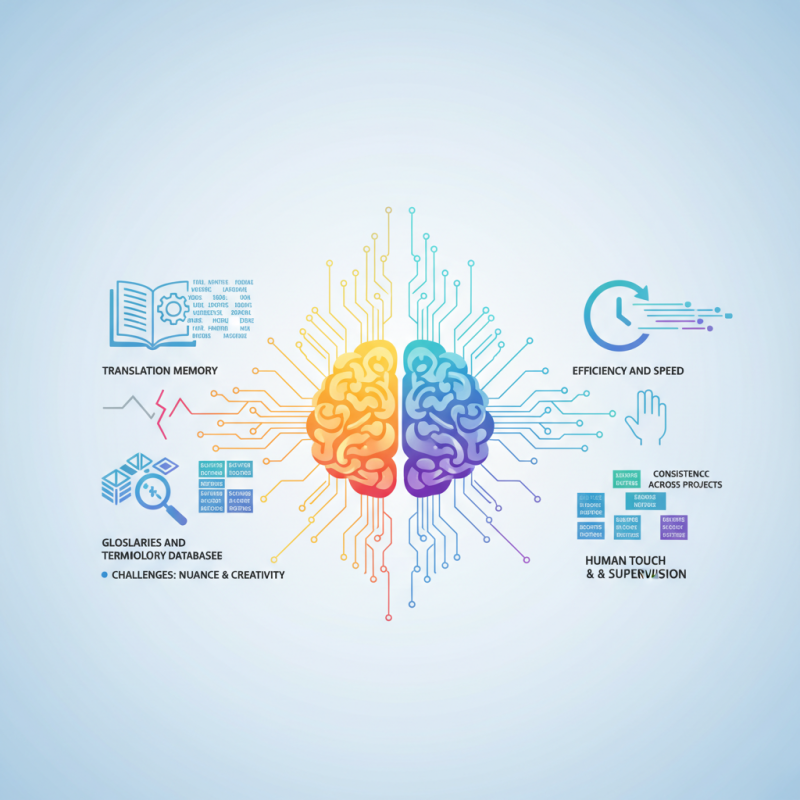
Using CAT tools in translation means leveraging technology for better results. They create a database of previously translated segments, known as translation memory. This feature enables consistency across projects. With these tools, translators can also utilize glossaries and terminology databases. This helps in maintaining uniformity in specific terms.
However, relying on CAT tools translation is not without challenges. Some translators feel that it can stifle creativity. The technology may also struggle with nuanced language and idiomatic expressions. Thus, while CAT tools are beneficial, they may require careful supervision and a human touch to ensure quality.
What Are Computer-Assisted Translation Tools?
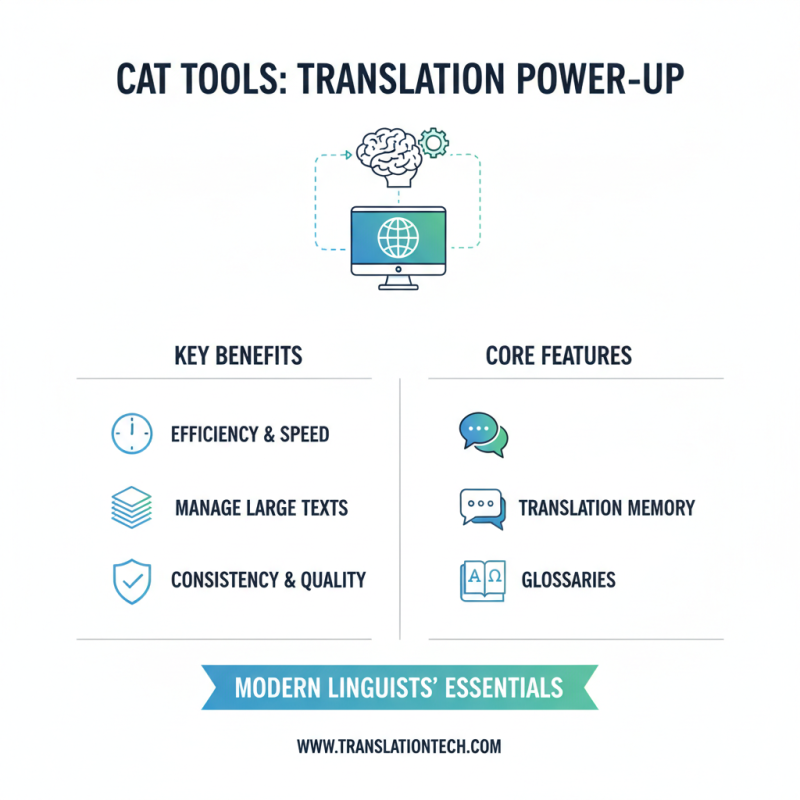
Computer-assisted translation tools (CAT tools) are vital in today's translation industry. They help linguists work more efficiently. By leveraging these tools, translators can manage large volumes of text with ease. CAT tools include features like translation memory and glossaries. These features support consistent and accurate translations.
Translators can quickly retrieve previous translations. This saves time and reduces errors in repetitive content. CAT tools also allow collaboration among multiple translators. They can share terms and memory files in real time. However, the reliance on these tools can sometimes lead to overconfidence. Translators might overlook contextual nuances. Not every phrase translates the same way in every situation.
A CAT tool also requires setup and maintenance. This can be time-consuming and complex. Finding the right settings for specific projects can feel overwhelming. As technology evolves, translators need to stay updated. Continuous learning is essential, and yet, not always prioritized. Balancing creativity with technology is an ongoing challenge.
The Role of CAT Tools in the Translation Process
Computer-Assisted Translation (CAT) tools play a significant role in the translation process. These tools help translators maintain consistency and speed. A survey by the Globalization and Localization Association indicates that 89% of translators use CAT tools regularly. This usage highlights their importance in managing large projects and ensuring accuracy.
Efficiency is essential in the translation industry. According to a report by Common Sense Advisory, companies that used CAT tools witnessed a 30% increase in productivity. This enhancement is often due to features like translation memory and glossaries. Translators can reuse previous translations, saving time and effort. Not all translations are perfect, though. There may be instances where context is lost or nuances are missed. This can lead to a need for revisions.
Collaboration is another critical aspect. Many CAT tools offer cloud-based platforms, allowing teams to work together in real-time. However, not everyone is comfortable with these tools. Studies show that 20% of translators prefer traditional methods. They feel that technology can be limiting. Balancing technology and human touch remains a challenge for many in the field. Ultimately, the role of CAT tools continues to evolve as the industry progresses.
Key Features and Functions of CAT Tools
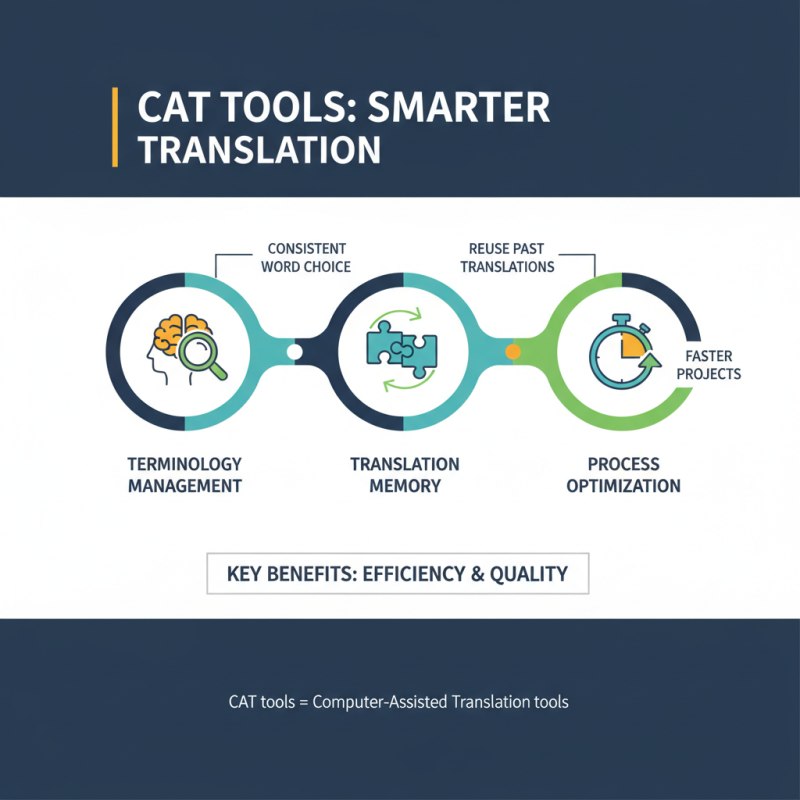
CAT tools, or Computer-Assisted Translation tools, play a vital role in the translation industry. They simplify the translation process, making it more efficient. One key feature is terminology management. This helps translators maintain consistency in word choice. Another function is translation memory. It stores previously translated segments for future use. This can speed up projects significantly.
Using CAT tools effectively requires attention to detail. Translators must review the memory before starting. Sometimes, a poor choice in previous translations can crop up again. Be aware of the context; not every translation fits perfectly. Pay attention to nuances.
Tips: Always customize your translation memory. Adjust settings based on the project’s needs. Regularly update your glossary to reflect new terms. This will make your work smoother. It also helps in avoiding repetitiveness, which can lead to errors.
Advantages of Using CAT Tools for Translators
Computer-Assisted Translation (CAT) tools are transforming how translation work is done. These tools help translators by providing features like translation memory and terminology databases. According to a report from the Globalization and Localization Association, 55% of companies that use CAT tools reported a 25% increase in productivity. This suggests that efficiency grows significantly when the right technology is used to support human effort.
Many translators appreciate the consistency that CAT tools offer. They ensure that terms are used uniformly across projects. A study indicated that 70% of translators felt more confident about maintaining quality when leveraging these tools. However, some challenges persist. Learning to use CAT tools effectively takes time, and the initial setup can be cumbersome. There’s a learning curve that many face.
While CAT tools improve translation speed, they don’t replace the need for human judgment. Mistakes can occur when context is misinterpreted. Specialized fields, such as legal or medical translation, can still pose challenges. Even with technology, human translators must review and edit the content thoroughly. It's crucial to balance technology with human expertise for the best results.
What is Cat Tools in Translation and How Do They Work? - Advantages of Using CAT Tools for Translators
| Feature |
Description |
Advantages |
| Translation Memory |
Stores previously translated segments for reuse. |
Increases consistency and speeds up the translation process. |
| Terminology Management |
Centralizes terms and definitions for specific projects. |
Ensures uniform use of terminology across documents. |
| Quality Assurance Tools |
Automates checks for errors in the translation. |
Reduces the risk of human error and enhances quality. |
| User-Friendly Interface |
Intuitive design for ease of use by translators. |
Accelerates training time and improves workflow. |
| Project Management Features |
Allows tracking of deadlines, assignments, and progress. |
Enhances organization and efficiency within teams. |
Popular CAT Tools and Their Unique Offerings
CAT tools, or Computer-Assisted Translation tools, are designed to aid translators in their work. They help streamline the translation process, manage terminology, and maintain consistency. Some CAT tools offer features like translation memory, allowing users to save and reuse previous translations. This can improve efficiency, but sometimes, the memory may suggest outdated phrases or contextually inappropriate translations. It's important for translators to review these suggestions carefully.
There are several popular CAT tools available today. Some specialize in collaborative features, allowing multiple translators to work on a project simultaneously. Others focus on user-friendly interfaces that simplify the translation process. Additionally, some tools excel in handling specific file formats or languages. However, each tool has its limitations. For example, while some may offer robust features, they can also be complex and overwhelming for beginners. It's essential for translators to choose tools that fit their workflow and proficiency level.
.svg)


.svg)

.svg)


 052925 - AI Translation 101 (1).png)


.svg)

.svg)


.jpg)