How to Choose the Best Translation Management Software for Your Needs?
In today's global marketplace, choosing the best translation management software is crucial. Recent reports suggest that the demand for translation services will reach $56 billion by 2027. This surge highlights the need for effective management tools to handle complex projects efficiently. Experts like Dr. Anna Schlegel emphasize, "Investing in the right translation management software is key to ensuring quality and consistency."
Translation management software streamlines workflows, reduces errors, and enhances collaboration among teams. With various options available, picking the perfect fit can feel overwhelming. Many organizations struggle to balance functionality and usability while staying within budget. Each software has its strengths and weaknesses, making it essential to understand your company's unique needs.
Proper research is vital for making an informed decision. Some software caters to specific industries, while others boast extensive integrations. As you navigate this landscape, consider the long-term impact of your choice. Investing in the wrong tool could hinder productivity and escalate project costs. Hence, careful evaluation is needed to ensure the software aligns with your goals and requirements.

Understanding Your Translation Requirements and Objectives
Understanding your translation requirements and objectives is crucial for selecting the right translation management software. Start by analyzing the types of content you need translated. Are these technical manuals, marketing materials, or legal documents? Different content types may require specific features in software. For instance, technical documents demand precision and strong terminology management.
Consider your target audience’s languages and cultural nuances. This is often overlooked. You may need to cater to multiple dialects. Identify if you need collaboration tools for cross-functional teams. This can enhance efficiency. Look for platforms that allow easy integration with existing tools to streamline workflows. Testing different options can help, but it’s not always simple.
Assess how the software handles feedback and revisions. A complex process can lead to confusion. Are you clear on your review cycles? Sometimes feedback loops are neglected. This could lead to inaccuracies in translations. Explore how reporting features assist in tracking progress and quality. These details matter significantly in meeting deadlines and achieving desired outcomes.
Translation Management Software Features Comparison
Key Features to Look for in Translation Management Software
When selecting translation management software, certain key features stand out. Look for user-friendly interfaces that simplify project navigation. Software should enable easy file uploads and allow multiple file formats. Effective collaboration tools are crucial. They help teams communicate seamlessly and manage feedback efficiently. Real-time updates can save time and reduce errors.
Integration capabilities also matter. The best software should connect with existing tools. This can streamline workflows and enhance productivity. Consider whether the solution offers translation memory. This feature reduces redundancy, ensuring consistency across projects. Additionally, look for reporting tools that provide insights into project timelines and costs.
Each organization’s needs may differ, making customization important. A one-size-fits-all approach may lead to inefficiencies. Test the software before committing. Free trials can expose strengths and weaknesses. Remember, finding the right fit might take time, and it's okay to reflect on various options to make an informed decision.
Evaluating User Experience and Interface Design
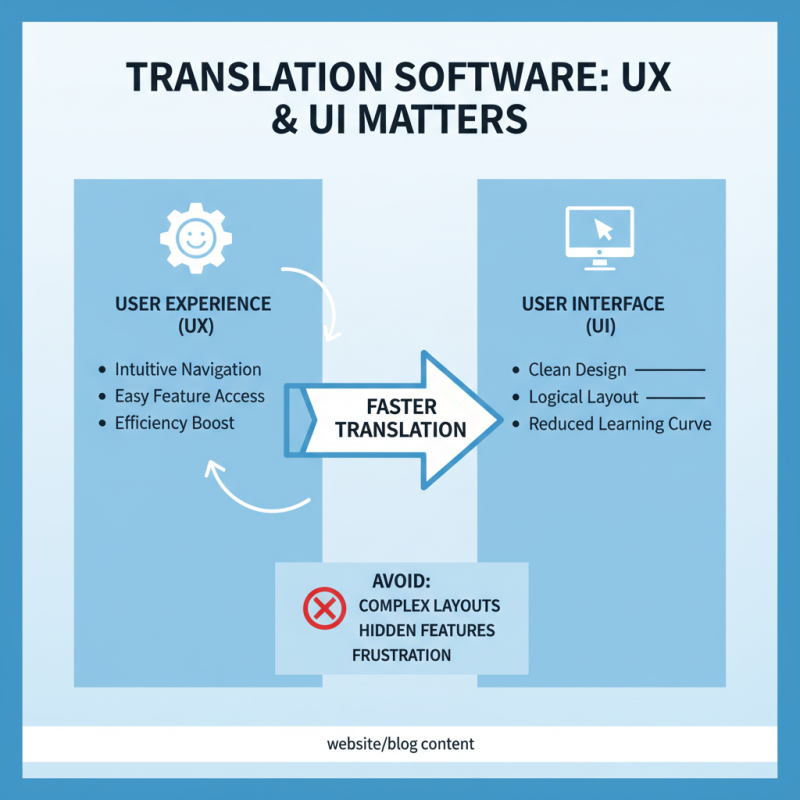
When evaluating translation management software, user experience and interface design play vital roles. A well-designed interface can significantly enhance efficiency. Look for intuitive navigation. Users should easily find and access essential features. Complex layouts can confuse users and hinder productivity.
Consider how the software accommodates various skill levels. Some users may be beginners, while others are experts. An effective design provides clear instructions and helpful prompts. Take note of how seamless the software integrates workflow tools. Frustration can arise when transitioning between tasks. A fluid experience reduces stress and increases satisfaction.
Testing the software firsthand is essential. Are there customizable options? Personalization can improve usability. Additionally, watch for inconsistencies in the user interface. These can create a sense of disconnection, which may deter users. Overall, prioritize designs that foster engagement. A carefully considered interface can make all the difference in your translation management tasks.
Comparing Pricing Models and Budget Considerations
When selecting translation management software, pricing models play a crucial role. Many solutions offer various pricing structures. You may encounter monthly subscriptions, pay-as-you-go options, or flat fees. Each model has its benefits and drawbacks. A monthly subscription can be cost-effective for ongoing projects. However, it may add up if your needs fluctuate.
Budget considerations are vital too. It’s important to assess your project scope. Are you translating documents constantly, or just occasionally? If your needs change, a pay-as-you-go model could save money. But be wary of hidden costs. Sometimes, additional features or exceeding usage limits can lead to surprises.
Another aspect to reflect on is the initial investment vs. ongoing costs. A more expensive tool today might offer better long-term results. Yet, consider usability. If a complex system requires training, it can impact your budget further. Balancing these elements can lead to a decision that truly meets your translation needs.
How to Choose the Best Translation Management Software for Your Needs?
| Feature |
Option A |
Option B |
Option C |
| Pricing Model |
Subscription-based |
Pay-per-use |
One-time purchase |
| Monthly Cost |
$50 |
$0.10 per word |
$600 |
| Free Trial |
Yes |
No |
Yes |
| User Interface |
User-friendly |
Moderate complexity |
Simple |
| Support |
24/7 Chat |
Email Support |
Phone Support |
| Integration Options |
Multiple tools |
Few tools |
Moderate tools |
Exploring Integration Capabilities with Other Tools
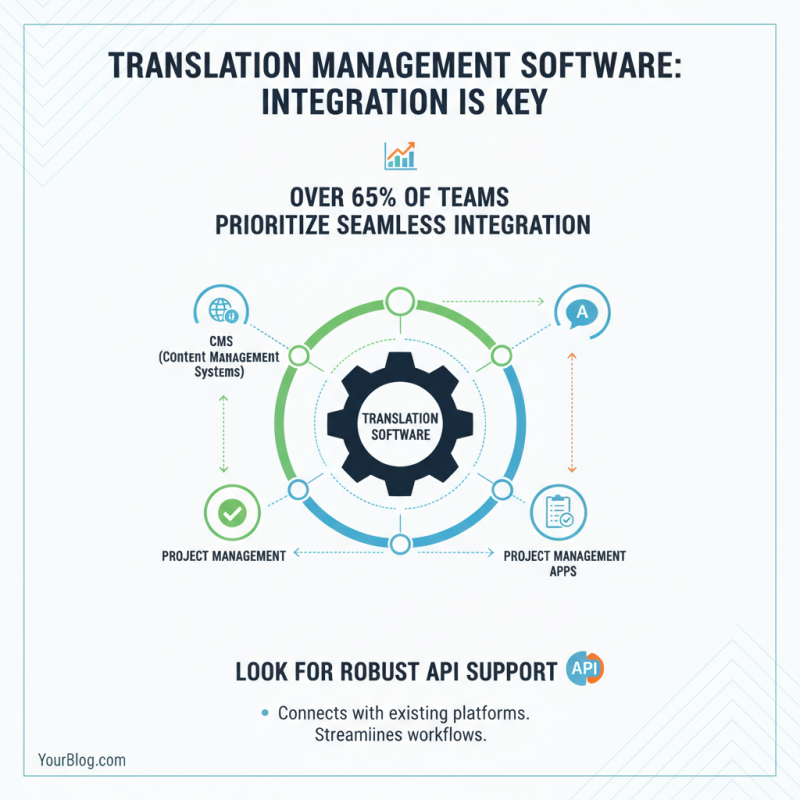
When selecting translation management software, integration capabilities are crucial. A recent survey shows that over 65% of translation teams prioritize tools that connect seamlessly with their existing platforms. Consider how the software interacts with content management systems, localization tools, and project management applications. If your workflow involves various software solutions, look for a translation tool with robust API support.
Many organizations struggle with siloed systems. A disjointed workflow can lead to delays and errors. Integrating translation management systems with existing tools can reduce manual input. A report revealed that teams using integrated systems improved their efficiency by nearly 30%. However, some tools promise integration but fall short in execution. It’s important to verify claims through user testimonials or case studies.
Communication between platforms is vital. A lack of integration can hinder project scalability. Nearly 50% of companies reported that poor integration options limited their ability to scale translation efforts. Evaluate if the software allows for easy data exchange and supports file formats used within your organization. Assessing these factors can guide you in making an informed choice that fits your needs.
.svg)


.svg)

.svg)


 052925 - AI Translation 101 (1).png)


.svg)

.svg)


.jpg)