Top Features to Look for in a Translator Machine?
In today's globalized world, effective communication is crucial. A reliable translator machine can bridge language gaps and foster connections. Whether for travel, business, or education, choosing the right device can significantly enhance interactions.
When considering a translator machine, features play a vital role. Speed, accuracy, and language variety are essential. Users often overlook the importance of a user-friendly interface and battery life. These elements can affect the overall experience.
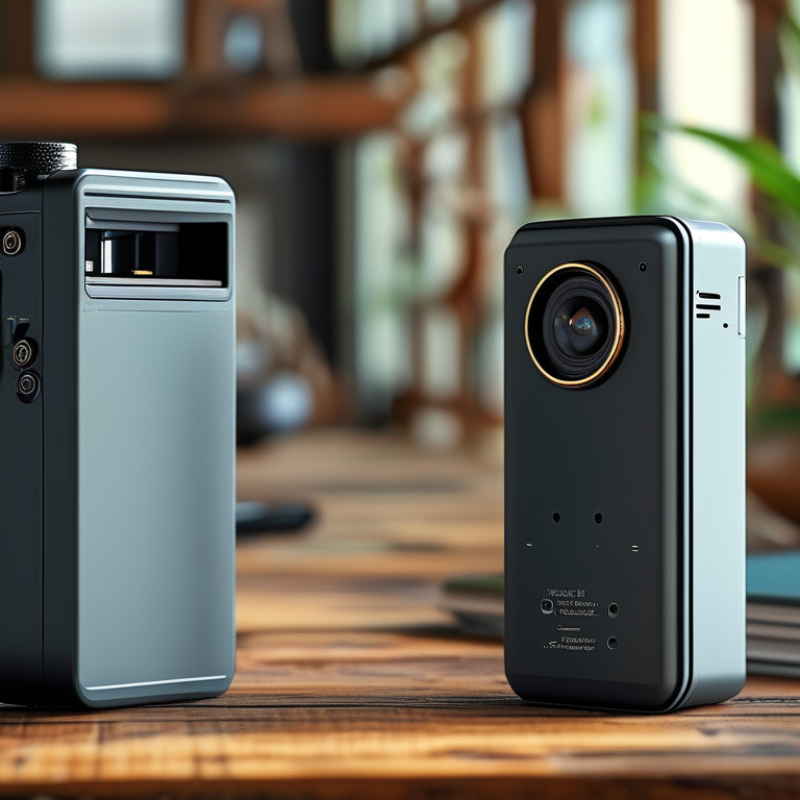
Many users desire portability in a translator machine. Compact designs often attract attention, but performance should not be compromised. It’s a challenge to find a balance between size and capabilities. A thoughtful choice requires careful evaluation of each feature.
Key Considerations for Selecting a Translator Machine
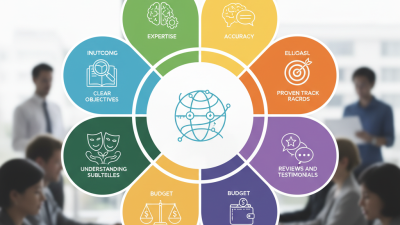
When selecting a translator machine, consider its user interface. A simple design allows for quick navigation. Complicated menus can lead to frustration. Look for machines that offer intuitive controls and easy accessibility. This feature will enhance your experience, especially when speed is essential.
Another crucial factor is the translation accuracy. A reliable machine should handle various languages. It should understand context, idioms, and slang. Machines that stumble on nuances may not serve your needs efficiently. Regular updates may improve performance over time. Users should frequently check for firmware updates for enhanced accuracy.
Evaluate the battery life of the device. A short battery life can limit usability. Opt for machines that promise extended operation between charges. Long-lasting performance is especially important for travel. Lastly, examine supplementary features, like voice recognition and offline capabilities. These can significantly enhance the machine's versatility and reliability for daily use.
Accuracy and Reliability in Translation Output
When choosing a translator machine, accuracy and reliability in translation output are critical factors. According to industry reports, the average human translator achieves an accuracy rate of about 95%. In contrast, many translation machines struggle to reach even 85% accuracy in complex texts. This gap highlights the need for a robust evaluation of machine capabilities.
Translation systems often falter with nuanced languages or technical jargon. A study from the American Translators Association reveals that 62% of professionals find machines lacking in context comprehension. Such limitations can lead to misunderstandings, especially in professional settings. Users must remain cautious and review outputs, as reliance solely on machines can yield significant errors.
While technology is advancing, the need for human oversight is still essential. Some machines perform well with straightforward phrases. Yet, when tasked with idiomatic expressions or cultural references, they can misinterpret meanings entirely. A user should always consider supplementing machine translation with human expertise to ensure clarity and context in important communications.
Supported Languages and Dialects for Versatility
When choosing a translator machine, the variety of supported languages and dialects is crucial. A versatile translator can accommodate many languages, enhancing its utility. For instance, a device that covers not only major languages like Spanish and Mandarin but also regional dialects can significantly improve communication in diverse contexts. This level of support speaks to its effectiveness in global interactions.
However, it's not just about the number of languages. The accuracy and context of translations can vary substantially. Some machines may handle common phrases well but falter with idiomatic expressions. Understanding local dialects requires nuanced programming, which many devices lack. Users might find themselves frustrated when translations miss the mark. This highlights the need to test devices in real-world scenarios to assess their capabilities effectively.
As you evaluate translator machines, consider your specific needs. If traveling to a country with multiple dialects, ensure the device can handle those variations. Look for user feedback on performance, especially in challenging language pairs. While many machines promise extensive language support, their real-world application may not always live up to expectations. A discerning approach is necessary to find the right tool for effective communication.
User Interface and Ease of Operation
A user-friendly interface is crucial for any translator machine. Many users are overwhelmed by complex designs. According to a survey by the Translation Automation Association, 70% of users prioritize ease of operation when choosing translation tools. An intuitive interface can significantly improve the user experience. It can also reduce the learning curve, enabling users to work efficiently.
Moreover, voice recognition and interactive features add value. These elements enhance the experience for non-tech-savvy users. A study published in the Journal of Machine Translation found that 65% of users find spoken commands more accessible. While high-tech features are impressive, their integration must be seamless. If the interface is cluttered or confusing, users may feel frustrated. Such issues can lead to error-prone translations and diminish trust in the machine.
Regular updates and user feedback systems help maintain ease of use. Devices that regularly evolve based on user input tend to have higher satisfaction rates. However, it's essential to balance new features with usability. Constant changes can disorient users. A reliable translator machine should prioritize the user journey while gradually introducing enhancements.
Top Features to Look for in a Translator Machine
This bar chart represents the importance of various features in translator machines based on user feedback. The features included are: Accuracy, User Interface, Language Support, Speed, and Offline Functionality.
Integration and Connectivity Features for Enhanced Functionality
When choosing a translator machine, integration and connectivity features stand out significantly.
The ability for these devices to connect seamlessly with other applications enhances user experience.
For example, a translator that syncs with productivity apps can streamline workflow.
Users can quickly translate documents while keeping their work organized.
This integration saves time and minimizes errors during translation tasks.
Moreover, devices must support multiple connectivity options such as Wi-Fi and Bluetooth.
These features allow for real-time translation in various environments.
Imagine sitting in a conference room, and suddenly, a participant speaks a different language.
A translator that can easily connect to smartphones or laptops can resolve communication barriers instantly.
However, not all devices perform equally well in different settings.
Users often report connectivity issues that can hinder effective communication.
It’s essential to check for the compatibility of the translator with your existing systems.
Devices that promise extensive integration may not always deliver.
Testing different features in real scenarios will reveal the strengths and weaknesses.
A user may find that while translation speed is impressive, accuracy might falter without proper connectivity.
Overall, careful consideration of integration capabilities ensures that the chosen device meets specific needs effectively.
.svg)


.svg)

.svg)


 052925 - AI Translation 101 (1).png)


.svg)

.svg)


.jpg)