Top Localization Tools Tips for Global Buyers to Succeed?
In an increasingly interconnected world, the importance of effective localization tools cannot be overstated. According to a recent report by Common Sense Advisory, 76% of consumers prefer to purchase products with information in their native language. This statistic underscores the necessity for global buyers to leverage the right localization tools to enhance customer engagement and drive sales.
Localization expert Anna McNulty once stated, “Effective localization tools are not just a trend; they are essential for survival in global markets.” Her insights reflect the growing reality that businesses must adapt to diverse cultural nuances. Failing to do so can lead to missed opportunities and significant revenue loss. Companies must evaluate their localization strategies, focusing on integration and efficiency.
The challenge remains that not all localization tools are created equal. Buyers must carefully select tools that align with their specific needs and budget constraints. While many tools promise seamless integration, not all can deliver the desired results. This space requires ongoing reflection and adaptation. The journey to successful localization is a complex one, but the right tools can yield substantial rewards.

Essential Features to Look for in Localization Tools
Choosing the right localization tools is crucial for global success. Buyers should focus on specific features that enhance efficiency and quality. For instance, look for user-friendly interfaces that make navigation intuitive. A complicated layout can hinder productivity and frustrate users. Simplicity is key in a fast-paced environment.
Real-time collaboration features are essential. Teams spread across different regions need to work seamlessly. Tools that allow instant updates and feedback are vital. A glitchy system can lead to miscommunications, creating delays in project completion. Additionally, consider tools that support various content types, from websites to apps. Flexibility in formats increases usability.
Another consideration is integration capabilities. Localization tools should easily integrate with existing platforms. This saves time and streamlines workflows. While exploring options, examine customer support as well. Reliable assistance is invaluable when facing technical issues. Delays in support can disrupt projects. Prioritizing these features will empower buyers to make informed choices.
Evaluating Localization Tools: Key Metrics and Criteria
When evaluating localization tools, specific metrics are essential. A 2021 report by the Localization Industry Standards Association highlighted that 75% of global buyers prioritize user-friendliness. A streamlined interface can significantly reduce training time for teams. Buyers should observe the accessibility and efficiency of these tools during trials.
Another crucial criterion is the ability to support diverse file types. In a survey conducted by CSA Research, 65% of companies reported challenges with file compatibility when localizing. A robust tool should handle different content formats seamlessly, from software strings to website content. This flexibility can prevent bottlenecks in workflows.
Cost-effectiveness cannot be ignored. According to a 2022 study by Nimdzi Insights, organizations that use affordable localization tools save up to 40% annually on translation expenses. However, it is vital to balance cost with quality. In this evolving landscape, businesses must reflect on their choices to ensure they are meeting the linguistic and cultural needs of their global audiences.
Top Localization Tools Tips for Global Buyers to Succeed
| Localization Tool | User Rating | Supported Languages | Integration Capabilities | Price Range (Monthly) |
|---|---|---|---|---|
| Tool A | 4.8/5 | 50+ | API, CMS | $100 - $300 |
| Tool B | 4.5/5 | 30+ | CMS only | $200 - $500 |
| Tool C | 4.0/5 | 20+ | API, Plugins | $150 - $400 |
| Tool D | 4.7/5 | 40+ | API, CMS, Plugins | $120 - $350 |
Best Practices for Choosing Localization Partners
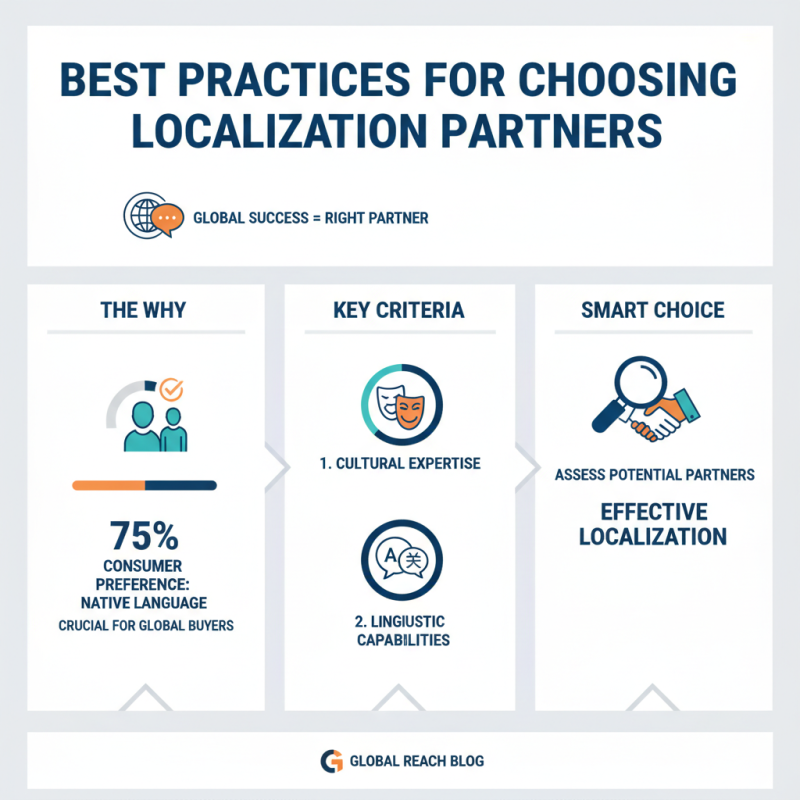
Choosing the right localization partner is crucial for global buyers aiming for success. According to a recent industry report, 75% of consumers prefer products in their native language. This highlights the importance of effective localization. It is essential to assess potential partners for their cultural expertise and linguistic capabilities.
When evaluating localization partners, companies should consider their experience in specific regions. A partner with a strong local presence can offer insights that enhance market relevance. Look for case studies showcasing their previous work. Testing their ability to handle diverse content types is also essential.
Tip: Request samples of translated materials. This gives you a clear picture of their quality. Communication is vital. Ensure your partner is responsive and open to feedback. Another tip: confirm their familiarity with industry-specific terminology. The right localization partner can dramatically influence your brand's global performance.
Integrating Localization Tools into Global Marketing Strategies
Integrating localization tools into global marketing strategies is essential for success in diverse markets. According to a report from CSA Research, 76% of consumers prefer to buy products with information in their native language. This highlights a clear need for brands to adapt their messaging. Choosing the right localization tools can significantly improve marketing outreach and effectively resonate with local audiences.
Utilizing advanced localization software can streamline translation processes and enhance efficiency. However, many brands struggle with choosing the right tools. A study found that 55% of marketing teams face challenges in aligning localization with overall strategy. It’s crucial to address these issues early. Creating a cohesive strategy that leverages multiple tools is vital. Engaging with local experts can further refine your approach and ensure cultural nuances are respected.
Localization is not without its pitfalls. Companies may overlook market-specific trends or fail to engage deeply with local customs. This can lead to miscommunication or alienation of potential customers. A balanced, flexible approach is necessary to adjust tactics based on feedback from local markets. Brands should continuously iterate on their strategies and rely on data insights to foster deeper connections.
Top Localization Tools Usage Among Global Buyers
Common Challenges in Localization and How to Overcome Them
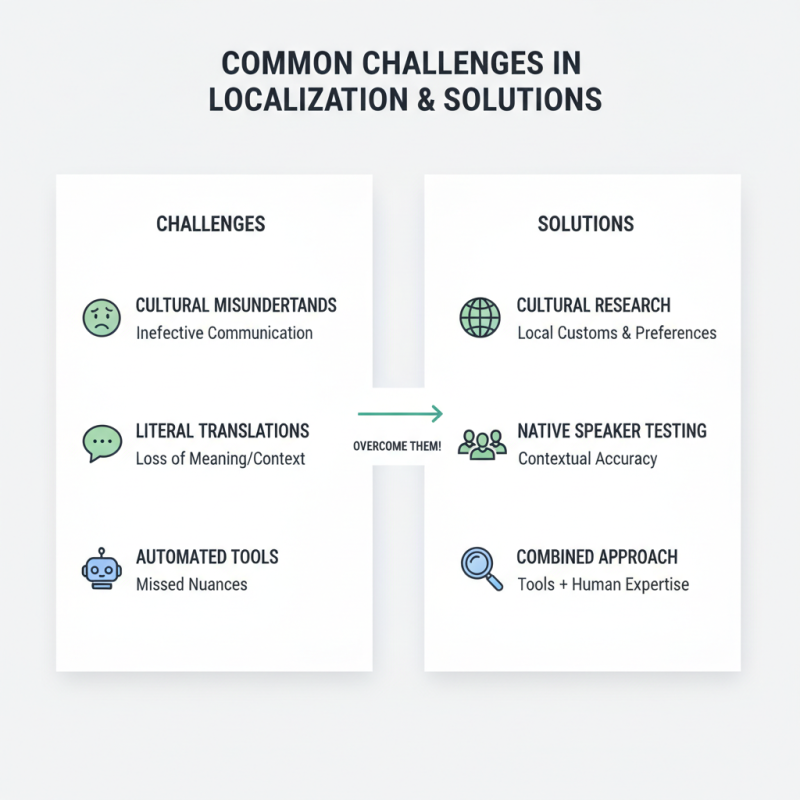
Localization is vital for businesses aiming to reach global markets. Yet, several challenges can hinder success. Misunderstandings in cultural context often lead to ineffective communication. Words that work in one culture may not resonate in another. It's essential to conduct thorough research about local customs and preferences. Testing translations with native speakers can reveal nuances that automated tools might miss.
Another common issue is managing multiple languages and formats. As companies expand, maintaining consistency becomes difficult. Inconsistent messaging can confuse customers and damage brand integrity. Regular audits of translated content help ensure alignment with original messaging and tone. Collaborative efforts between translators and marketers can also bridge this gap.
Budget constraints may limit localization efforts. Businesses often struggle to allocate resources effectively. Prioritizing key markets can optimize spending. Investing in quality translation services enhances overall output. Regular feedback from local teams can also guide adjustments. Embracing flexibility and a willingness to learn can transform challenges into opportunities for growth.
Related Posts
-
China Best Localization Tools for Global Success?
-

How to Choose the Best AI Translation Software for Your Needs?
-

What is Localization Software and How Does It Work?
-

2026 How to Choose the Best Localization Software for Your Business?
-

2026 Best Translation Management System to Boost Your Workflow?
-

2026 Top Trends in Translation Management Systems You Should Know?