Top Types of Wood Screw Heads You Should Know About?
When working with wood, understanding the **Types Of Wood Screw Heads** is essential. These screws come in various designs, each serving a specific purpose. This knowledge can enhance the quality and durability of woodworking projects.
Not all screw heads are created equal. Some are meant for aesthetic appeal, while others provide better grip or ease of installation. For example, flat heads sit flush with the surface, creating a smooth finish. Round heads, however, offer added strength for tougher applications. Each style has its strengths and weaknesses. Therefore, making the right choice can be challenging.
Moreover, selecting the correct screw head extends beyond functionality. It influences the overall appearance and integrity of your work. Consider the material, the load it needs to bear, and visual preferences. Delving into the world of screws reveals complexities that are often overlooked. Balancing practicality with style requires careful thought and experience. Understanding these intricacies can lead to stronger, more aesthetically pleasing results in your woodworking endeavors.
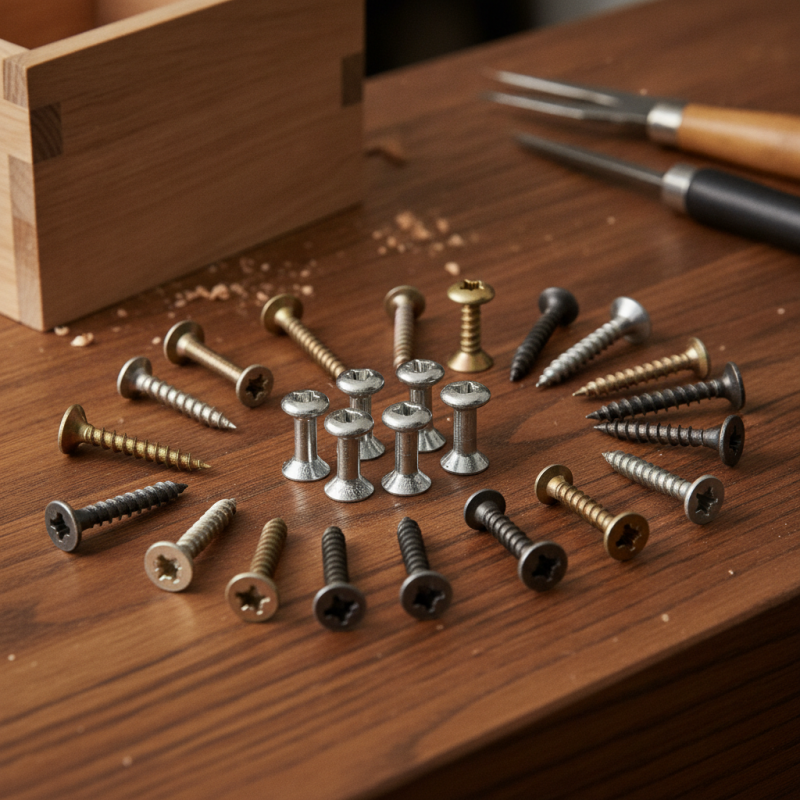
Overview of Wood Screw Head Types
When selecting wood screws, understanding head types is essential. The shape and design of a screw head can influence its functionality and aesthetic appeal. Common types include flat, round, and pan heads. Each serves unique purposes in woodworking projects.
Flat heads are countersunk, allowing the screws to sit flush with the wood surface. They are ideal for projects where a smooth finish is required. Round heads, on the other hand, protrude slightly, offering a more decorative look while being easy to grip. Pan heads combine the features of both, providing a balance between appearance and functionality.
Choosing the right screw head type can be challenging. Factors like the material, project type, and desired finish must be considered. Not all screws perform equally in different woods or designs. A poorly chosen screw head may compromise the integrity of your work. Keep experimenting and learning to enhance your skills.
Characteristics of Flat Head Screws
Flat head screws are a versatile fastener choice in woodworking and construction. They boast a unique design that allows them to sit flush with the surface of the material. This feature is particularly useful when a smooth finish is desired. Their conical shape enables easy installation and optimal grip.
These screws work well in many applications, from cabinetry to flooring. However, they can be tricky. If over-tightened, the head can strip. Users need to be cautious. It's also essential to choose the right size. A flat head screw that's too long might penetrate beyond the material, causing damage.
In some cases, flat head screws require pre-drilling. This step can prevent splitting, especially in harder woods. Not all woods behave the same way, and every project demands careful attention. Understanding the material’s characteristics is crucial for optimal performance. Each situation may present its unique challenges, but knowing the details helps mitigate potential issues.
Benefits of Pan Head Screws in Woodworking
Pan head screws have gained popularity in woodworking due to their unique benefits. Their wide, flat heads create a larger surface area, which helps distribute pressure more evenly. This feature minimizes the risk of splitting the wood when driving the screw into tight grains. It also enhances the overall stability of the joint. Whether used in furniture assembly or cabinetry, the pan head design offers both functionality and an appealing look.
Another advantage is their ease of use. The head allows for a larger screwdriver tip contact area, reducing slippage during installation. This can be beneficial for both amateur and experienced woodworkers. The shallow dome shape makes them ideal for applications where a flush or slightly raised finish is desired. However, selecting the right screw requires careful consideration of the wood type and project requirements. Not all situations benefit from pan heads. In some cases, countersunk or other screw heads might be more appropriate.
In woodworking, experimentation is key. Sometimes, you might find that pan heads don't fit well with your design. It's essential to reflect on the specific needs of your project. Assessing your material and tools will guide your choices. Every woodworking project is a learning experience. Embracing imperfections leads to better outcomes in future endeavors.
Understanding Round Head Screws Applications
Round head screws are commonly used in various applications due to their unique design. Their rounded tops offer a smooth appearance and reduce the risk of snagging on materials. This feature makes them popular in woodworking and cabinetry projects, where aesthetics matter. They are also easier to drive into the material, making assembly quicker.
These screws perform well in applications requiring secure fastening. Woodworkers often use round head screws to attach hardware or join pieces of wood. Their shape allows for a better grip, which can help prevent slipping during installation. In addition, they distribute the load evenly, enhancing durability. However, it’s essential to consider the depth of the screw when working with softer woods.
Some might overlook the importance of selecting the right screw for a project. For instance, using round head screws in places where a flush finish is necessary could lead to undesired aesthetics. Understanding the right application is crucial. Rethinking your approach could lead to better outcomes and improve craftsmanship.
Exploring Hex Head Screws for Heavy Duty Tasks
Hex head screws are essential for heavy-duty tasks. Their shape provides a larger drive surface, allowing better torque application. This makes them ideal for securing heavy materials in construction and engineering. According to industry reports, hex head screws can withstand significant loads, often ranging between 1000 to 2000 N of tensile strength.
When selecting hex head screws, consider the material and coating. Stainless steel options resist corrosion, making them suitable for outdoor use. However, these screws can be more expensive than standard steel. Be aware of the potential for stripping with softer screws when working with tough materials. Always use the correct tool to minimize this risk.
Tips for using hex head screws: ensure a tight fit in your project. Over-tightening can cause damage to the material or screw. Also, pre-drilling pilot holes can help maintain screw integrity and prevent splitting in wood. Regularly assess your fastening choices to adapt to various applications, enhancing project outcomes effectively. Remember, the right screw for your task can make all the difference.
Top Types of Wood Screw Heads You Should Know About
This chart illustrates the popularity of various types of wood screw heads. As seen, Hex Head screws are the most favored for heavy-duty tasks, accounting for 30% of preference. Flat and Pan head screws follow closely, while Socket head screws are less common.
.svg)


.svg)

.svg)


 052925 - AI Translation 101 (1).png)


.svg)

.svg)


.jpg)