Why Are U-40 Insulin Needles Used?

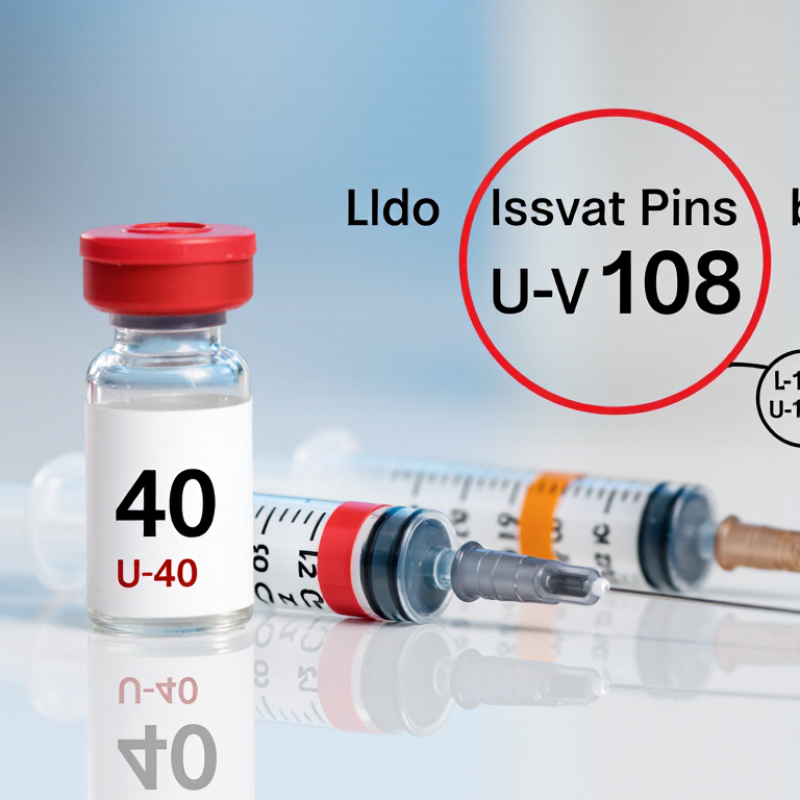
U-40 Insulin Needles are designed for insulin labeled 40 units per milliliter. Their scale matches that concentration, helping users measure the prescribed dose accurately. The distinction is visible on the syringe barrel: its markings are calibrated for U-40 insulin, not U-100. Using the wrong syringe can change the amount delivered. Small differences matter.

The need for clear, reliable insulin-use guidance is substantial. The International Diabetes Federation’s Diabetes Atlas, 11th edition, estimated that 589 million adults worldwide were living with diabetes in 2024. That figure describes the wider care landscape; it does not indicate how many people use U-40 insulin. Endocrinologist Dr. Irl Hirsch has studied insulin therapy and its delivery. A practical summary of the safety principle is: “Match the syringe to the insulin concentration.” This is a paraphrase, not a verified direct quotation. Even a familiar routine deserves a label check. Confirm the insulin strength and syringe marking before each dose, and ask a qualified healthcare professional before changing devices or instructions. U-40 needles are not simply a different size; their graduations are made for a specific concentration. That detail can be easy to miss, especially when supplies look alike.
Why Are U-40 Insulin Needles Used?

What U-40 Insulin Concentration Means

U-40 means the insulin contains 40 units in each milliliter of liquid. The “U” refers to units, while “40” describes how many units fit into one milliliter. It is a concentration, not a needle size. A small vial may look much like another insulin vial, so read the label carefully.

The syringe markings matter. A U-40 insulin syringe is calibrated for this concentration, helping the marked dose match the amount drawn up. The needle delivers the injection; the syringe scale measures the dose. Easy to overlook. Using a syringe designed for a different concentration can cause a dosing error, even when the number on its barrel seems familiar. Don’t estimate a conversion or rely on appearance. If the insulin label and syringe do not match, pause and ask a pharmacist or healthcare professional before injecting. That extra check can feel repetitive, but it is safer than guessing.

How U-40 Syringes Measure the Correct Dose

U-40 insulin contains 40 units in each milliliter. A U-40 syringe is calibrated for that concentration, so its numbered lines show insulin units rather than milliliters. For example, the 10-unit line measures 0.25 mL of U-40 insulin. Check the barrel carefully. The needle delivers the dose; the syringe markings measure it.

Use a U-40 syringe only with U-40 insulin, unless a qualified health professional gives you specific instructions. A mismatched syringe can change the amount delivered, even when the plunger appears to reach the “right” number. Don’t estimate, convert markings yourself, or rely on syringe color. Sizes and line spacing vary, and small marks can be hard to see. It is easy to assume they are interchangeable. They aren’t. If the label or markings are unclear, pause and ask a pharmacist or prescriber to verify the insulin and syringe together before measuring a dose.

Why Matching the Syringe to the Insulin Matters

U-40 insulin contains 40 units per milliliter, so it is intended to be measured with a U-40 insulin syringe. The syringe’s markings are calibrated for that concentration. Matching them helps each line represent the intended dose. A U-100 syringe has a different scale, even if its barrel looks similar. Using the wrong type can deliver too much or too little insulin. The difference may not be obvious at a glance. Tiny print matters.

Before drawing up insulin, check the concentration on the vial and the label on the syringe. Keep the correct syringe with the matching insulin, especially if different strengths are stored at home. If either label is unclear, pause and ask a pharmacist or diabetes care professional. Do not estimate a conversion or rely on syringe color. If you discover a mismatch after dosing, seek medical advice promptly and follow instructions for monitoring. It is easy to rush this check, but taking a moment to confirm both labels can help prevent a dosing error.

Where U-40 Insulin Is Commonly Used

Why Are U-40 Insulin Needles Used?
Where U-40 Insulin Is Commonly Used

U-40 insulin contains 40 units of insulin per milliliter. It is commonly used in veterinary care, including for some cats and dogs prescribed insulin made at this concentration. Availability varies by country and by the treatment prescribed. In some places, people may also encounter U-40 insulin in routine diabetes care. The concentration on the label matters.

A U-40 syringe is calibrated for U-40 insulin, so its markings match that concentration. Using a different syringe type can cause a dosing error. The word “needle” is sometimes used casually, but the syringe’s calibration is the key detail. Check the insulin label and syringe markings together. It’s easy to miss. If either is unclear, ask a pharmacist, veterinarian, or diabetes care professional before injecting. Never change the dose or syringe type based on guesswork.

Tips: Keep the matching syringe with the prescribed insulin, and store both as directed. Before each injection, pause and check the concentration. If the packaging or instructions differ from what you expect, stop and confirm with your care team.

How to Check That the Syringe Matches the Insulin

U-40 insulin contains 40 units of insulin per milliliter. A U-40 syringe is calibrated for that concentration, so its markings correspond to the intended volume. The syringe and insulin must match. A U-40 syringe is not interchangeable with a U-100 syringe.

Read the insulin label and the syringe barrel before every injection. Look for “U-40” on both, under good light. Check the actual printed markings, not just the syringe’s color or size. Small details matter. If the label is unclear, or the syringe says U-100, pause. Do not guess, estimate, or try to convert the dose yourself. A mismatch can cause a serious dosing error.

If you change insulin, receive a new syringe, or feel unsure, ask a pharmacist or prescribing clinician to verify the match. Keep the package nearby, and show them the exact insulin and syringe. I know this check can feel repetitive, especially when supplies look familiar. Still, familiarity is not proof. Use only the syringe type specified for that insulin, and do not inject until the match is confirmed.