China Top 10 Translator Machine Manufacturers for Global Buyers
Global buyers need more than a polished product page when choosing a translator machine. They need reliable speech recognition, clear audio, practical language coverage, and support after purchase. Demand for cross-language communication is growing, though software-market data should not be mistaken for hardware sales. Grand View Research estimated the global machine translation market at USD 650.5 million in 2020 and projected a 19% compound annual growth rate from 2021 to 2028. That forecast signals broader investment in translation technology, not a guaranteed result for any device maker.
Consumer research also explains why these products matter. CSA Research’s 2020 report, Can’t Read, Won’t Buy, surveyed 8,709 consumers across 29 countries. It found that 76% preferred product information in their own language, while 40% said they would not buy from websites in other languages. Those findings concern online shopping, not translator-device performance, but they underline the value of accessible communication. Real use matters.
This guide compares ten translator machine manufacturers for international buyers. It considers language support, offline functions, microphone performance, battery life, connectivity, warranty terms, and product documentation. A device tested in a quiet showroom may struggle in a crowded station. Not just specs. Buyers should also check how manufacturers handle software updates and regional service. No comparison can capture every accent or travel situation, and that limitation deserves attention. The strongest choice depends on where, how, and how often the machine will be used.
Define Translator Machines by Text, Speech, Offline, and AI Capabilities
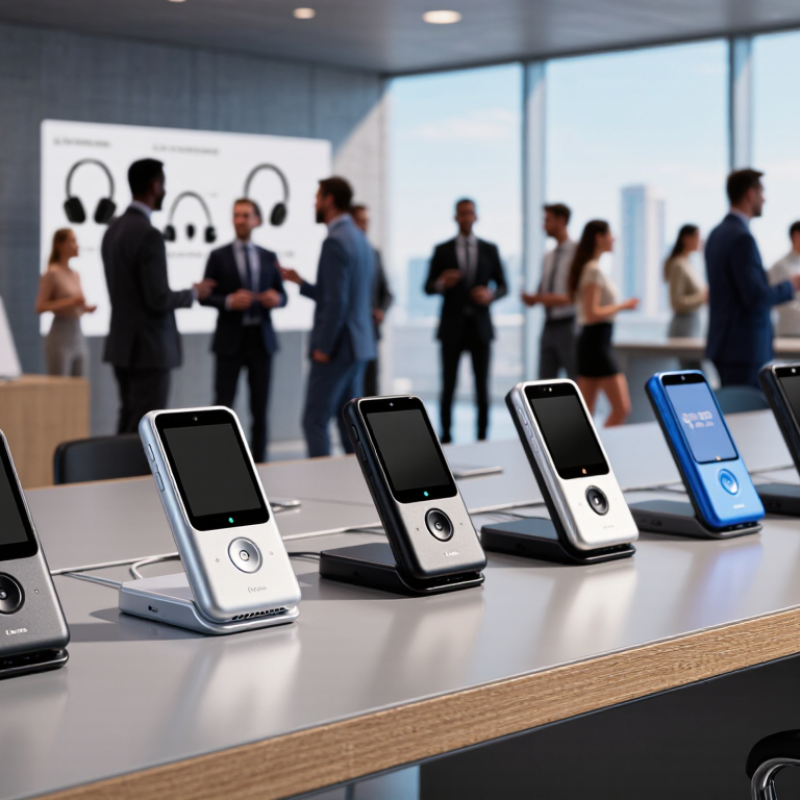
Translator machines are best understood by what they can translate and how they work.
Text-based models convert typed phrases, signs, or short documents into another language. They suit quiet settings, such as checking a product label at a desk. Speech models listen and speak responses aloud, which helps during quick conversations or while keeping your hands free. Background noise, fast speech, and unfamiliar accents can still cause errors. That matters.
Offline capability is a separate practical measure. A device with downloaded language resources may keep working where Wi-Fi is weak, such as a remote worksite or a train. Check which languages remain available offline; coverage can differ from online use. AI features may interpret context, suggest natural phrasing, or handle longer exchanges, but fluent output is not always accurate. A polished sentence can quietly change a detail. Human review remains useful for important instructions.
For a fair comparison, test the same phrases in the languages and settings you expect to use. Try speech in a busy room, then check text on a small screen. Notice response time, battery life, and whether the device asks for clarification. No single score tells the whole story. I would also examine how updates affect offline features, since this is easy to overlook. A short, imperfect trial can reveal more than a long feature list.
Compare 10 Chinese Manufacturers by Language Coverage, WER, and Latency
A useful comparison of China’s translator-machine manufacturers starts with the languages tested, not the number printed on a product page. CSA Research’s 2020 Can’t Read, Won’t Buy study surveyed 8,709 consumers across 29 countries: 76% preferred product information in their own language, and 40% said they would not buy from websites in another language. For buyers, that makes language coverage a practical issue. Ask whether a device handles regional accents, noisy speech, and two-way conversation—not just whether it lists a language. Then test the same short scripts across competing machines.
Word error rate (WER) helps make speech recognition results comparable: it counts substitutions, deletions, and insertions against a verified transcript. NIST uses this established measure in speech-recognition evaluations, but a published WER is meaningful only when the language, audio, and test conditions are disclosed. Latency needs the same care. Record the time from the end of a spoken phrase to the first translated audio, then repeat tests on Wi-Fi and mobile networks. Report median and 95th-percentile results; a quiet-room average can hide delays in a busy station. That comparison is imperfect. Real conversations interrupt, overlap, and change topic, so scripted tests should be paired with field trials before purchase.
Assess Translation Quality with BLEU, COMET, and ISO 18587:2017
For global buyers, translation quality should be tested on real content, not judged by a fluent demo. BLEU compares machine output with human reference translations through matching word sequences. It is useful for tracking changes across the same test set, but may penalize valid alternative phrasing. COMET uses trained models to estimate translation quality, often considering the source text and a reference. It can better reflect meaning, yet its score is not a guarantee of accuracy.
Numbers can mislead.
Ask manufacturers to translate a small, representative sample before comparing systems. Include product instructions, technical terms, measurements, and sentences with ambiguity. Check whether key details remain correct and terms stay consistent across pages. Record the test data and language pair; results from one domain may not transfer to another.
ISO 18587:2017 sets requirements for full human post-editing of machine translation output. It does not certify a machine or replace direct quality checks. Buyers can use it to assess whether a supplier has a defined post-editing process and qualified reviewers.
The process still deserves scrutiny: a checklist cannot catch every awkward phrase or subtle shift in meaning. A useful evaluation combines metric scores, documented human review, and close inspection of errors that matter to the intended reader.
Use ISO 17100:2015 to Evaluate Human Translation-Service Workflows
Global buyers comparing translation machines should also inspect the people and controls behind multilingual output. ISO 17100:2015 sets requirements for translation-service processes, resources, and documented procedures. It is a workflow benchmark, not a guarantee that every sentence is correct. CSA Research’s 2020 market study projected global language-services revenue at US$56.18 billion for 2021, reflecting substantial demand (CSA Research, 2020). Higher volume makes traceable review especially useful.
Ask providers how they qualify translators and assign independent revision. The standard requires a second linguist to examine the translation against its source. Check a real project sample: source file, reviewer comments, terminology decisions, and final quality records. For machine-assisted work, clarify when human revision happens and who handles corrections. A certificate alone cannot reveal missed context. Even a tidy checklist can miss cultural nuance.
Tips: Request a redacted project trail and test it with your own text. Record the language pair, reviewer qualifications, and correction rate. Keep the test small. Then look closely.
Select a Supplier by Connectivity, Data Security, Support, and Total Cost
When comparing China’s top translator machine manufacturers, look beyond language counts and touchscreen size. Connectivity determines whether a device works where conversations happen. Test it on office Wi-Fi, a mobile hotspot, and in a corridor with weak reception. Check whether core translation functions remain available offline. A five-minute live test can reveal delays that a product sheet may not mention.
Data security deserves practical questions. Ask what voice recordings are stored, where they are processed, and how users can delete them. Try a sample conversation with sensitive details removed, then inspect the device’s privacy controls. Small details matter. Clear settings and straightforward retention options are easier to verify than broad assurances. Buyers should document the answers and confirm they apply to the exact model being quoted.
Support can matter as much as accuracy after purchase. Confirm response times, warranty coverage, repair arrangements, software updates, and whether support is available in your working time zone. Then calculate total cost: device price, subscriptions, connectivity charges, accessories, training, and replacement parts. Compare costs over the expected service period, not just at checkout. A polished specification sheet can still mislead; I would rather see a supplier demonstrate the workflow with realistic speech and explain its limitations plainly.
China Top 10 Translator Machine Manufacturers for Global Buyers
Compare suppliers by connectivity, data security, support, and total cost. The chart shows standardized AES key lengths—not manufacturer-specific product claims.
AES, as specified in the NIST Advanced Encryption Standard, supports 128-, 192-, and 256-bit keys. When evaluating a translator device, ask suppliers which encryption methods they use and how data is handled online and offline; also verify connectivity, support terms, and total cost.
.svg)


.svg)

.svg)


 052925 - AI Translation 101 (1).png)


.svg)

.svg)


.jpg)