How to Use AI Language Translation for Global Sourcing?
In today’s global market, successful sourcing depends on effective communication. AI language translation has emerged as a powerful tool for overcoming language barriers. According to a report by Common Sense Advisory, 75% of consumers prefer to buy products in their native language. This statistic underscores the urgency for businesses to adapt.
Experts believe AI language translation can significantly enhance sourcing strategies. Dr. Maria Thompson, a leading figure in AI linguistics, states, "Accurate translations create opportunities that expand market reach." Companies can thus tap into diverse markets, making informed decisions with direct access to vendor communications.
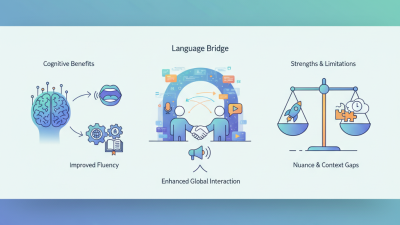
However, reliance on technology has its pitfalls. Not all AI translations are perfect. Some nuances may be lost, leading to potential misunderstandings. Businesses need to tread carefully, ensuring that human oversight accompanies these tools. As we explore the advantages of AI language translation in global sourcing, it's essential to remain aware of these limitations.

Understanding AI Language Translation and Its Importance in Global Sourcing
AI language translation is reshaping global sourcing strategies. It enhances communication across language barriers, facilitating smoother transactions. According to a report by Common Sense Advisory, 75% of consumers prefer to buy products in their native language. This preference translates to competitive advantages for businesses that embrace translation technologies.
Implementing AI translation tools can vastly improve sourcing efficiency. Teams can quickly translate documents, contracts, and product descriptions. This saves time and reduces errors. Relying solely on human translators may lead to longer wait times and inconsistencies. Incorporating AI provides not just speed, but also scalability for global operations. However, companies should be cautious. AI is not without flaws. Contextual nuances can sometimes be lost, which affects understanding.
Developing a strategy for effective use of AI translation is essential. Understanding the limitations helps in decision-making. Rely on AI for initial translations. Then, involve native speakers for critical content review. This ensures accuracy while leveraging technology's speed. It's also wise to continuously monitor AI performance. Regular checks reveal how well the translations meet quality standards. Adapting the approach according to feedback can lead to significant improvements in global sourcing initiatives.
Key Features of AI Language Translation Tools for Businesses
AI language translation tools are transforming global sourcing. These tools break down language barriers and streamline communication. Companies can source products and services from different regions more efficiently. Fast and accurate translations help maintain clarity in negotiations. Misunderstandings can lead to costly errors, so reliable translations are essential.
Key features of these tools include real-time translation capabilities. Businesses can communicate instantly with suppliers and clients. This speed enhances decision-making processes. Additionally, AI tools can learn and adapt over time. They improve the accuracy of translations based on user feedback. Customizable translation settings are also crucial. This allows businesses to cater to specific contexts or jargon related to their industry.
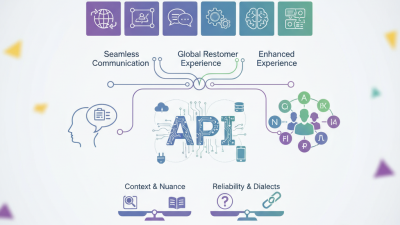
However, organizations should remain cautious. AI translations may not always capture cultural nuances. Some phrases could be misinterpreted, leading to confusion. It's important to double-check translations for crucial agreements. Integrating human oversight can mitigate risks. Balancing AI efficiency with human expertise creates a more reliable sourcing strategy.
Steps to Integrate AI Language Translation in Global Procurement Processes
Integrating AI language translation into global procurement processes can greatly enhance efficiency. Start by assessing your current procurement workflow. Identify areas where language barriers create delays or misunderstandings. This will help you pinpoint the specific needs for translation services.
Invest in AI translation tools that best fit your operations. Ensure they support multiple languages relevant to your suppliers. Keep in mind that not all translations will be perfect. Always have a human reviewer for critical communications. Misinterpretations can lead to costly errors.
When implementing these tools, train your staff on their use. Provide resources that explain the technology’s strengths and weaknesses. Regularly evaluate the effectiveness of the translations. Collect feedback from users to improve the process.
Consider these tips: Always verify crucial documents with a native speaker to avoid miscommunication. Break down complex documents into simpler language for better AI understanding. Engage with suppliers to understand their needs and challenges related to language. This collaborative approach fosters clearer communication and stronger relationships.
How to Use AI Language Translation for Global Sourcing? - Steps to Integrate AI Language Translation in Global Procurement Processes
| Step |
Description |
Tools |
Expected Outcome |
| 1 |
Assess translation needs |
NA |
Identify languages and volumes |
| 2 |
Choose AI translation tools |
Google Translate, DeepL |
Availability of multilingual support |
| 3 |
Integrate into procurement systems |
API Solutions |
Streamlined purchasing process |
| 4 |
Train teams on AI tools |
Training Workshops |
Improved user proficiency |
| 5 |
Monitor translation quality |
Feedback Loops |
Enhanced translation accuracy |
Best Practices for Utilizing AI Language Translation in Supplier Communication
AI language translation can significantly enhance communication with suppliers globally. When sourcing products, it’s crucial to get details right. Accurate translations lead to clearer specifications and fewer misunderstandings. Texts must be short and straightforward. This prevents inaccuracies that could arise from complex phrasing. Effective translation allows for better negotiation and alignment on terms.
Utilizing AI tools effectively requires understanding their limitations. While they can translate quickly, they may struggle with cultural nuances. Always review translations for context. A poor translation can damage a relationship. Engaging bilingual staff to double-check important communications is a wise practice. Encourage feedback from suppliers. This helps identify any recurring issues in language translation.
Finally, document all communications. This creates a reliable record of information exchanged. Use simple language to ensure clarity across different languages. Give suppliers a chance to ask questions. Building rapport is important in global sourcing. Establishing trust can sometimes outweigh the advantages of speed and efficiency.
Global Sourcing Challenges and AI Language Translation Benefits
Evaluating the Effectiveness of AI Language Translation in Global Sourcing Efforts
AI language translation has become a pivotal tool in global sourcing. Its effectiveness hinges on various factors, such as accuracy, context, and cultural nuances. A seamless translation can enhance communication, yet misinterpretations can lead to costly mistakes. Businesses often overlook the importance of reviewing translations for context.
To maximize the potential of AI in translation, continuously evaluate translation quality. Regular feedback loops are essential. Engage local experts to verify translations for industry-specific terms. This can prevent misunderstandings that arise from literal translations. Ensure that communication remains clear to all parties involved.
Sometimes, AI tools may struggle with idiomatic expressions. These nuances often require human insight. Companies should balance AI efficiency with human expertise. Explore different AI platforms to find ones that align with your sourcing needs. Reflect on the effectiveness of the chosen tools frequently. Not every tool is suited for every language pair or industry. This careful consideration can lead to more effective global sourcing efforts.
.svg)


.svg)

.svg)


 052925 - AI Translation 101 (1).png)


.svg)

.svg)


.jpg)